Rescue Exoskeletons
Powered exoskeletons for rescue operations. Distributor and advisor for evaluation programs.
What They Do
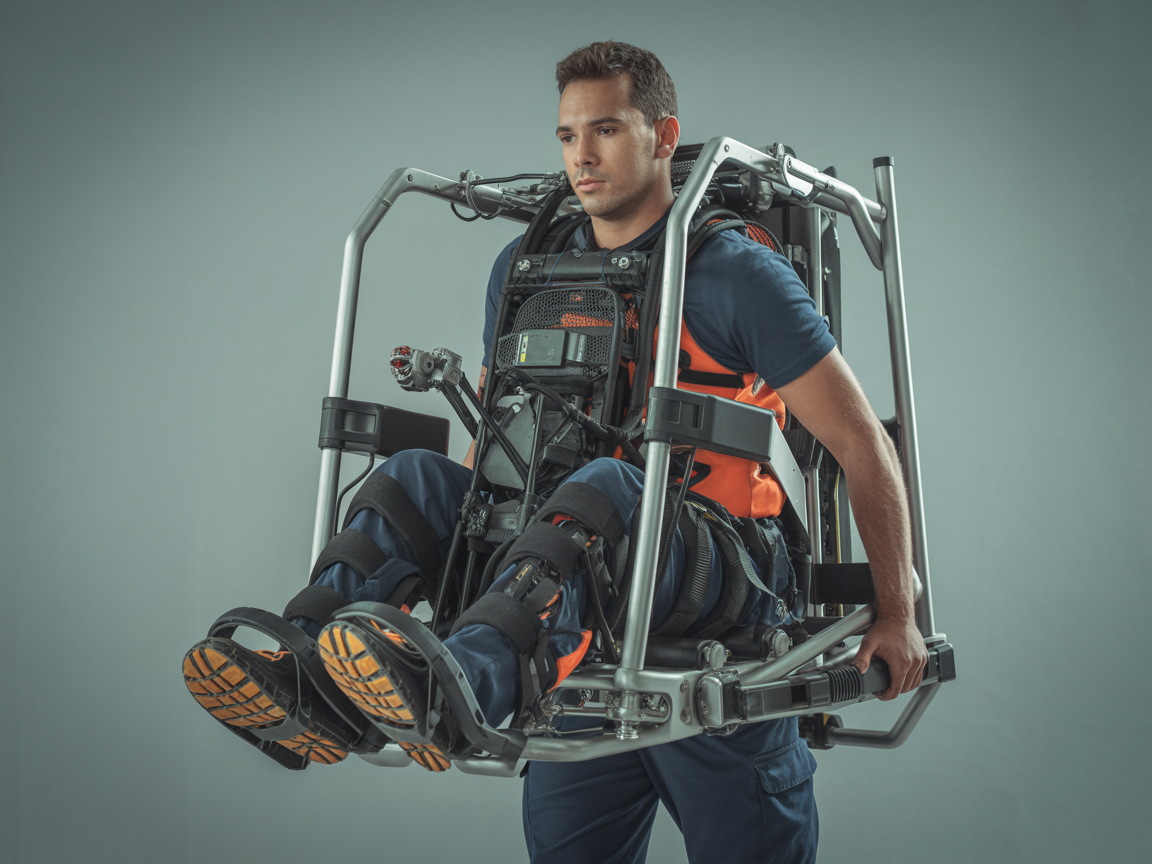
Powered exoskeletons augment human capability during rescue operations. They support load carriage, assist with casualty movement, and reduce physical strain on rescue personnel.
This technology is emerging. It's not science fiction, but it's not fully mature either. Organizations need to evaluate these systems carefully.
That's where we come in.
Use Cases
Rescue Mobility
Move through difficult terrain while carrying equipment. Assist with stretcher carries and casualty extraction.
Load Carriage
Carry heavier loads for longer periods. Reduce physical fatigue during extended operations.
Casualty Movement
Assist with lifting and moving casualties. Support medical evacuation operations.
TRSS Role: Distributor & Advisor
Distribution
- Source and supply exoskeleton systems
- Coordinate demonstrations and trials
- Facilitate training programs
Advisory
- Evaluate suitability for your operations
- Risk assessment and safety protocols
- Training and governance frameworks
Important Disclaimers
Exoskeletons are emerging technology for rescue operations. Organizations must conduct thorough operational evaluation before deployment.
TRSS provides guidance on evaluation, risk assessment, training, and safe use. We do not guarantee operational outcomes. Proper safety controls and training are essential.
Evaluation Process
Assessment
Understand your operational requirements and evaluate if exoskeletons are appropriate.
Demonstration
Hands-on demonstration and trial in controlled environments with your personnel.
Implementation
Training programs, safety protocols, and governance frameworks for operational use.
Interested in evaluation?
Let's discuss whether exoskeletons could support your rescue operations.
Get in Touch